Coloring boosts mindfulness in ways that may surprise many people who still associate coloring with childhood. In fact, therapists, psychologists, and educators increasingly recommend mindful coloring as a simple yet powerful practice that helps reduce stress, improve emotional regulation, and strengthen focus. As research on mindfulness grows, coloring has emerged as an accessible tool for people of all ages who want the benefits of meditation without needing formal training or long sessions of quiet sitting.
This article explores five powerful ways coloring boosts mindfulness, why it works on a neurological and emotional level, and practical ways to use it in your daily routine.
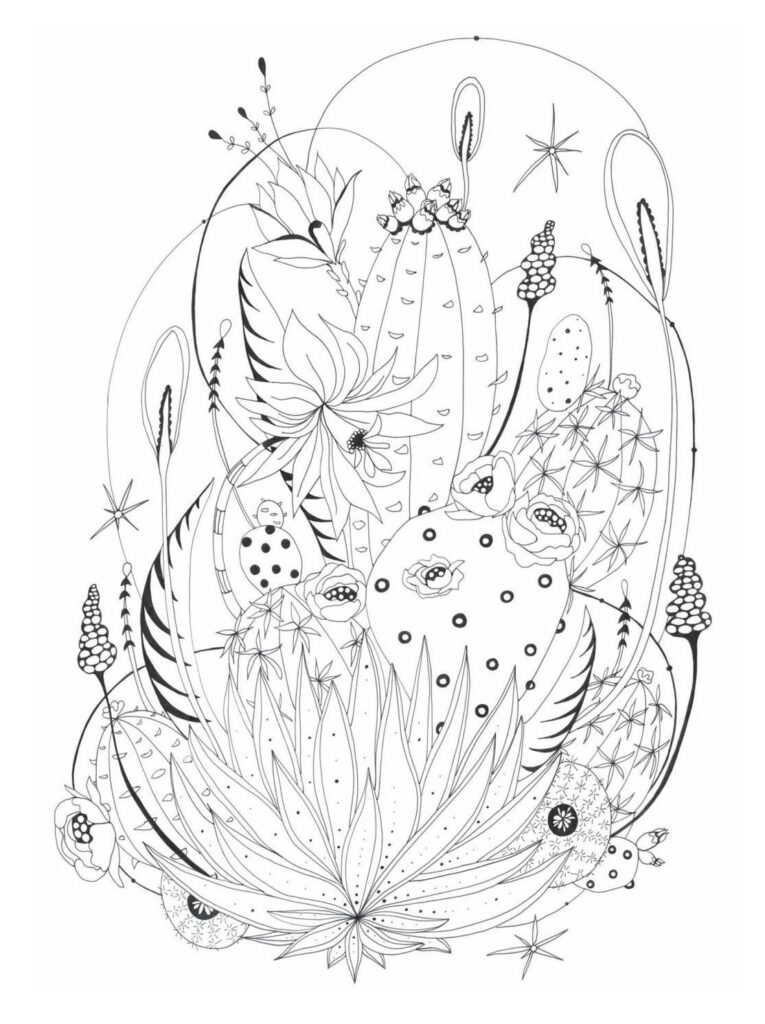

Why Coloring Is More Than a Trend
Adult coloring books have surged in popularity, but their therapeutic value goes far beyond aesthetics. Coloring engages multiple cognitive and emotional systems, creating a meditative experience supported by measurable scientific effects. A study published in Frontiers in Psychology found that structured coloring significantly reduces anxiety by shifting attention away from worry-driven thought loops (source: Frontiers in Psychology).
This growing body of research makes one thing clear: coloring is not just relaxing—it cultivates genuine mindfulness.
Interest: 5 Powerful Ways Coloring Boosts Mindfulness
1. Coloring Boosts Mindfulness by Anchoring Attention to the Present Moment
Mindfulness requires focusing on “right now,” and coloring naturally trains the brain to stay present. When choosing colors, shading shapes, or following lines on the page, the mind redirects from spiraling thoughts toward gentle sensory awareness.
This moment-to-moment engagement is similar to breath meditation, but easier for beginners. Coloring provides structure—your hands are busy, your mind is lightly focused, and your attention stays anchored.
2. Coloring Boosts Mindfulness Through Stress and Anxiety Reduction
Coloring activates the parasympathetic nervous system—the body’s “rest and digest” mode. This lowers heart rate and reduces cortisol levels. The Cleveland Clinic explains that coloring can interrupt the stress response by producing a relaxation effect similar to meditation (Cleveland Clinic source).
This means coloring offers real physiological benefits:
- reduced muscle tension
- slower breathing
- decreased anxiety
- increased sense of calm
All of these are hallmarks of mindfulness in action.
3. Coloring Boosts Mindfulness by Supporting Emotional Regulation
Emotional overwhelm often stems from racing thoughts, agitation, or internal pressure. Coloring slows these responses by giving the mind a structured, low-stakes task. Psychologists call this “attentional redirection”—a technique that shifts focus away from emotional triggers and into sensory activity.
Coloring also encourages emotional processing through color choices and expressive movement. This is why many therapists integrate mindful coloring into sessions for clients experiencing burnout, grief, or chronic stress.
4. Coloring Boosts Mindfulness by Enhancing Focus and Cognitive Clarity
Unlike passive relaxation (e.g., scrolling social media), coloring engages the brain in sustained, intentional activity. This strengthens the prefrontal cortex—the area responsible for concentration, planning, and emotional control.
Both adults and children benefit from this focused engagement. Teachers even use mindful coloring to help students improve attention span before tests or transitions.
5. Coloring Boosts Mindfulness by Encouraging Creative Flow States
Flow is a mental state where the mind becomes fully absorbed in an activity. Coloring naturally facilitates flow because it is structured yet creative. The act of filling shapes, experimenting with palettes, and watching a page come to life draws the mind into a quiet, energized focus.
This “creative mindfulness” helps:
- reduce overthinking
- improve mood
- increase sense of accomplishment
- foster emotional resilience



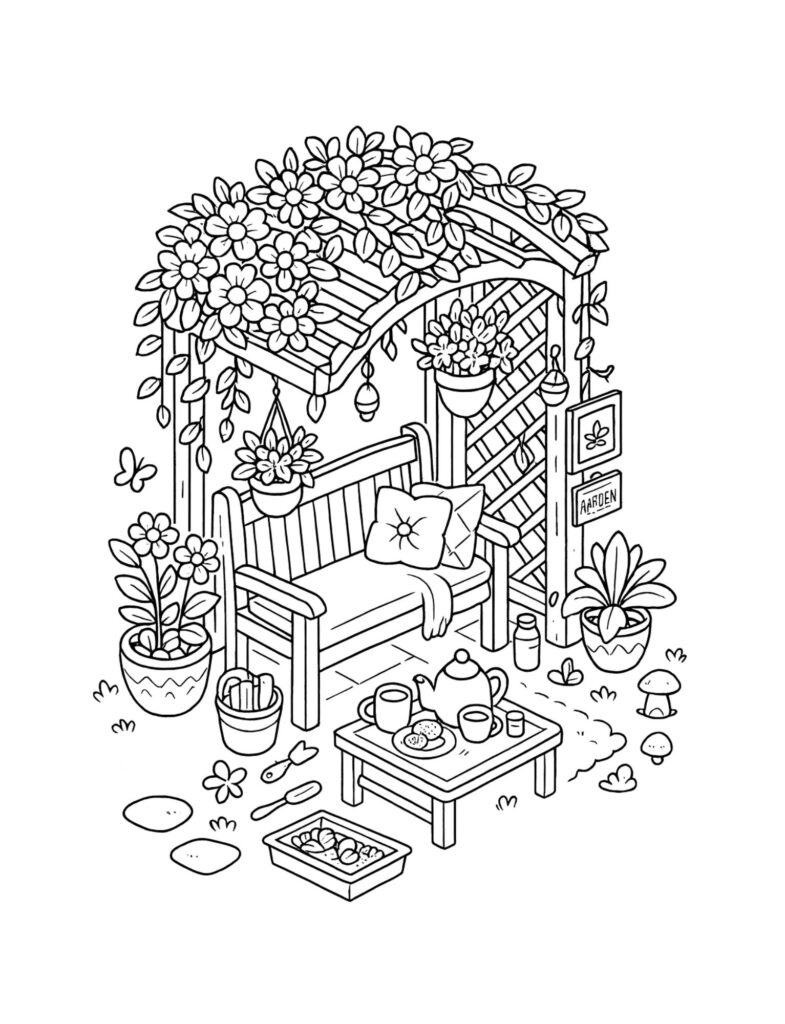
Desire: Why You Don’t Need Experience to Benefit from Mindful Coloring
One of the greatest strengths of mindful coloring is its accessibility. You don’t need artistic skills, expensive tools, or extended quiet time. Coloring works whether you have three minutes or thirty. For beginners, this accessibility removes the pressure often associated with meditation.
You can use mindful coloring to:
- unwind after work
- support mental health during stressful periods
- help children calm down
- reset between tasks
- create screen-free moments of peace
And because coloring involves gentle sensory awareness, it works beautifully for people who find traditional meditation challenging.
Action: Start Your Mindfulness Coloring Practice Today
To incorporate coloring into your mindfulness routine:
- Find a quiet, comfortable space.
- Choose a page that brings you joy—botanical, geometric, animals, etc.
- Focus on movement, breathing, and color.
- Let go of the outcome.
- Return your attention gently when your mind drifts.
For more ideas, explore our internal resources:
- 3 Reasons Adult Coloring Can Actually Relax Your Brain
- 5 Powerful Reasons Mindful Coloring Calms Your Brain
(Insert internal links as needed on your site.)
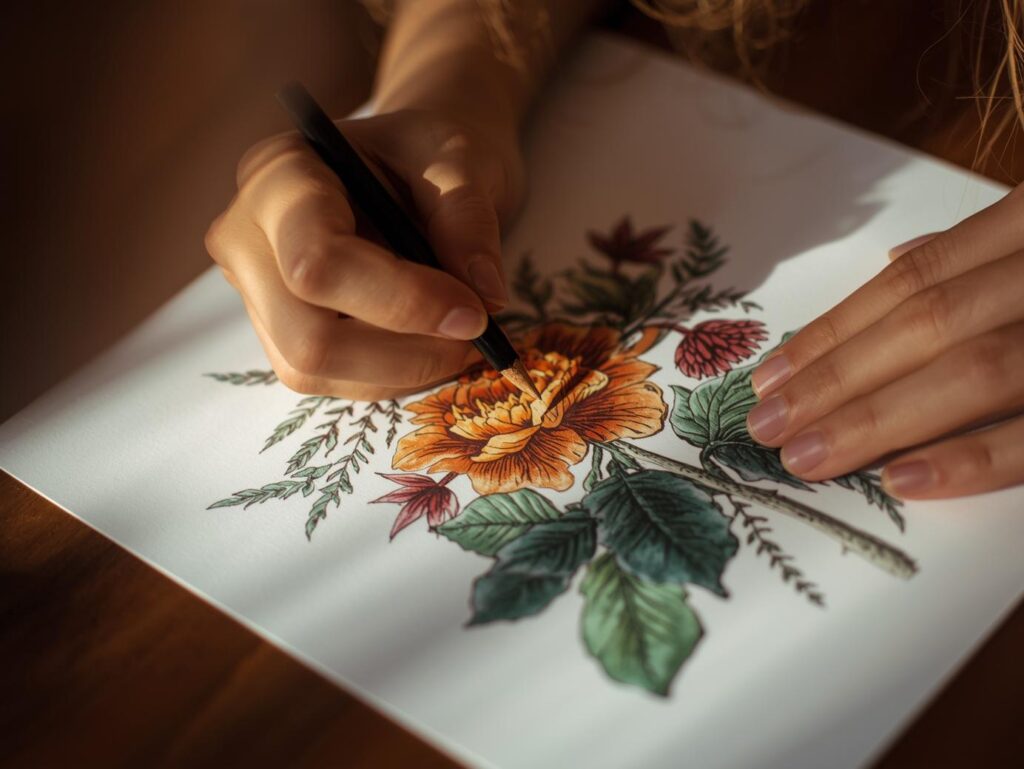
Coloring may appear simple, but its mindfulness benefits are profound. Research supports its ability to calm the nervous system, strengthen focus, regulate emotions, and anchor attention in the present. Whether you’re an educator, parent, therapist, or someone seeking more peace in everyday life, mindful coloring is an accessible, creative tool that can support well-being and emotional clarity.

Leave a Reply