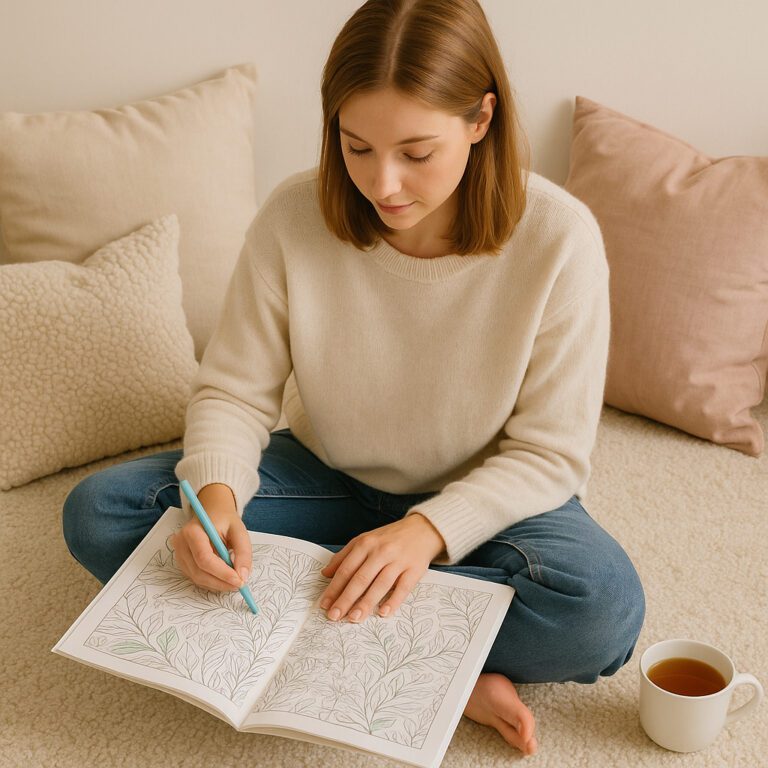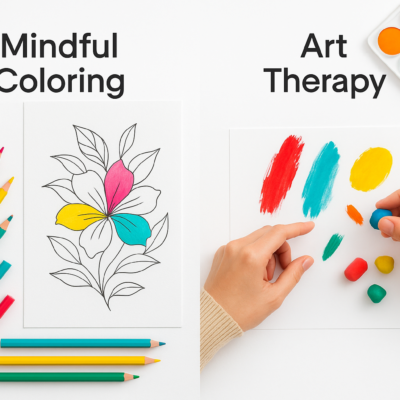

IIs coloring a form of mindfulness? For many people, what begins as a simple creative hobby becomes one of the most grounding, calming practices in their daily routine. Adult coloring has exploded in popularity because it offers something both powerful and accessible: a proven way to quiet the mind without the pressure or difficulty often associated with traditional meditation. Many readers ask is coloring a form of mindfulness because they notice how calm and focused they feel while coloring.
Research shows that coloring can reduce anxiety, slow the heart rate, improve focus, and anchor attention in the present moment. In this article, we explore seven science-backed reasons coloring truly functions as a mindfulness practice, followed by clear steps anyone can use to begin their own mindful coloring journey.
Why Many Experts Agree That Is Coloring a Form of Mindfulness Has a Scientific Basis
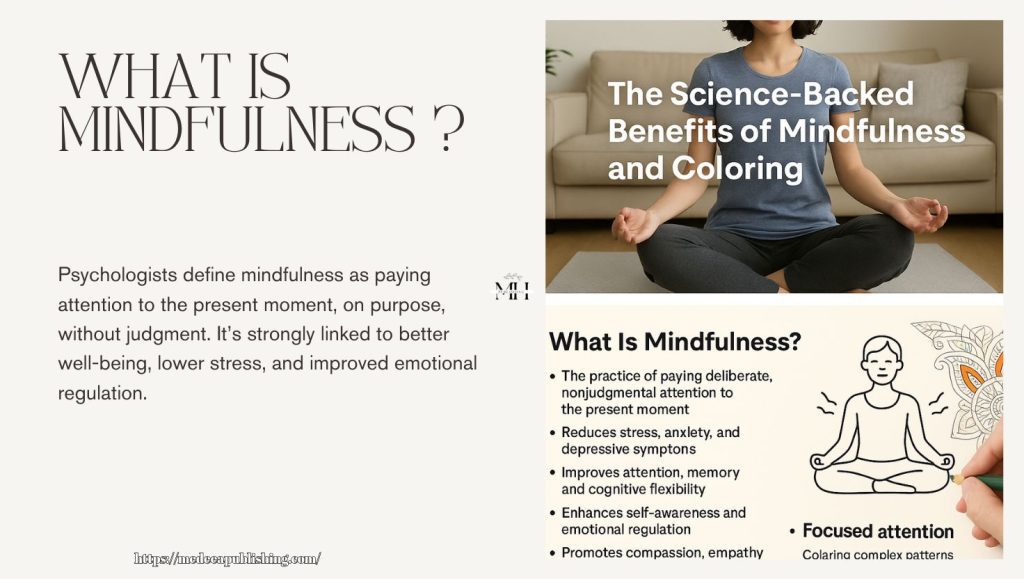
Researchers exploring whether is coloring a form of mindfulness have found significant overlaps with established meditation practices. When adult coloring books first became popular, many dismissed them as a trend. Yet therapists, educators, and neuroscientists quickly noticed something deeper: coloring activates the same attentional and emotional networks used in meditation.
A study published in Frontiers in Psychology found that structured coloring significantly reduced anxiety by interrupting rumination and shifting the mind toward sensory focus.
People began to notice they felt calmer, more grounded, and more present after coloring—leading experts to ask whether coloring might indeed qualify as a form of mindfulness.
7 Reasons Coloring Is a Form of Mindfulness
Therapists often discuss is coloring a form of mindfulness when teaching grounding techniques to reduce anxiety. Below are seven clear, research-supported reasons that answer the question: is coloring a form of mindfulness? These principles reflect what mindfulness teachers and psychologists consistently observe. One major reason people ask is coloring a form of mindfulness is because the activity naturally shifts the brain into a calmer, more regulated state.
1. Coloring Anchors Attention to the Present Moment
Mindfulness is defined as paying attention to the present without judgment.
Coloring naturally trains this ability:
- Your eyes follow lines
- Your mind selects colors
- Your hand moves with intention
Each time your mind drifts into worry, frustration, or planning, coloring gently guides it back—mirroring the core technique of mindful breathing.
2. Coloring Reduces Anxiety by Activating the Parasympathetic Nervous System
Mindfulness is known to calm the body’s stress response. Coloring does this too.
According to the Cleveland Clinic, coloring produces a relaxation response that slows the heart rate, reduces cortisol, and shifts the nervous system from “fight or flight” to “rest and digest.”
Physiological benefits include:
- fewer stress hormones
- slower, deeper breathing
- decreased muscle tension
- increased feelings of calm
This effect is nearly identical to meditation-based relaxation techniques.
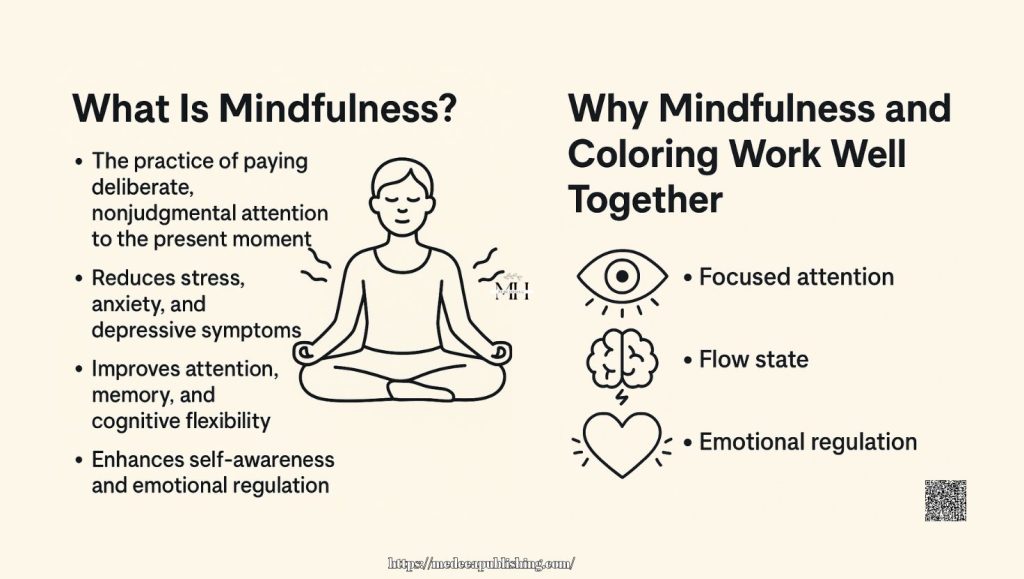
3. Coloring Helps Regulate Emotions Through Sensory Engagement
Emotional overwhelm often comes from being stuck in spirals of thought. Coloring redirects mental energy into sensory awareness, helping:
- calm racing thoughts
- reduce emotional intensity
- create space between feelings and reactions
Therapists use mindful coloring to support clients dealing with trauma, burnout, grief, and anxiety because it stabilizes the emotional system without pushing feelings away.
4. Coloring Enhances Focus and Cognitive Strength
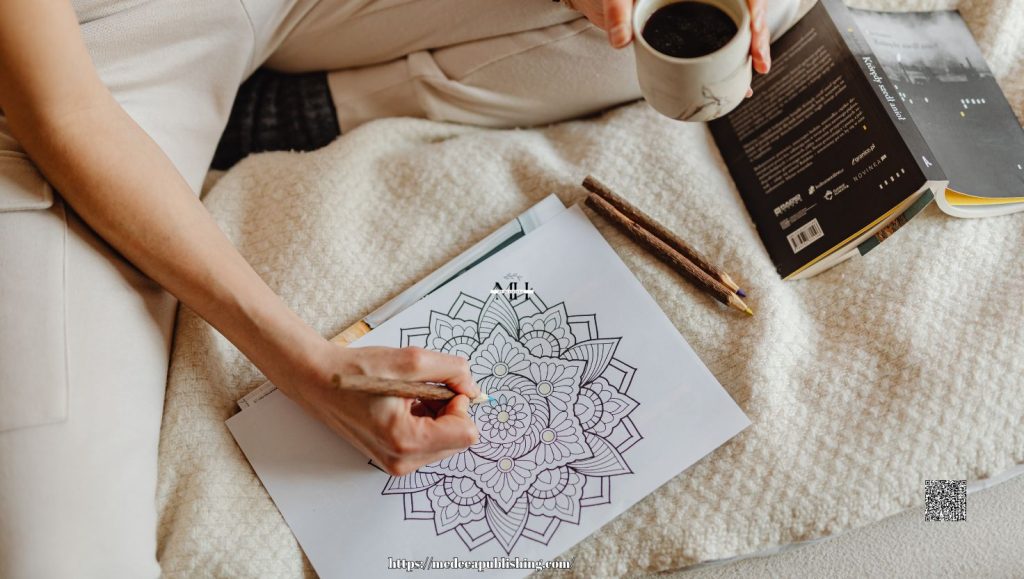
Mindfulness improves concentration—and so does coloring.
Coloring strengthens:
- sustained attention
- problem-solving
- working memory
- cognitive flexibility
This benefit applies to adults, children, and neurodivergent individuals who struggle with traditional meditation because coloring provides a concrete, visually stimulating focal point.
5. Coloring Encourages Flow State, a Deep Form of Mindful Absorption
Flow is a mental state where attention, emotion, and action align. It’s deeply soothing and mentally restorative.
Coloring supports flow because it is:
- structured but creative
- engaging but not stressful
- repetitive but not boring
This harmonious balance encourages the mind to settle into a state of steady awareness—one of the most profound forms of mindfulness.
6. Coloring Interrupts Rumination and Overthinking
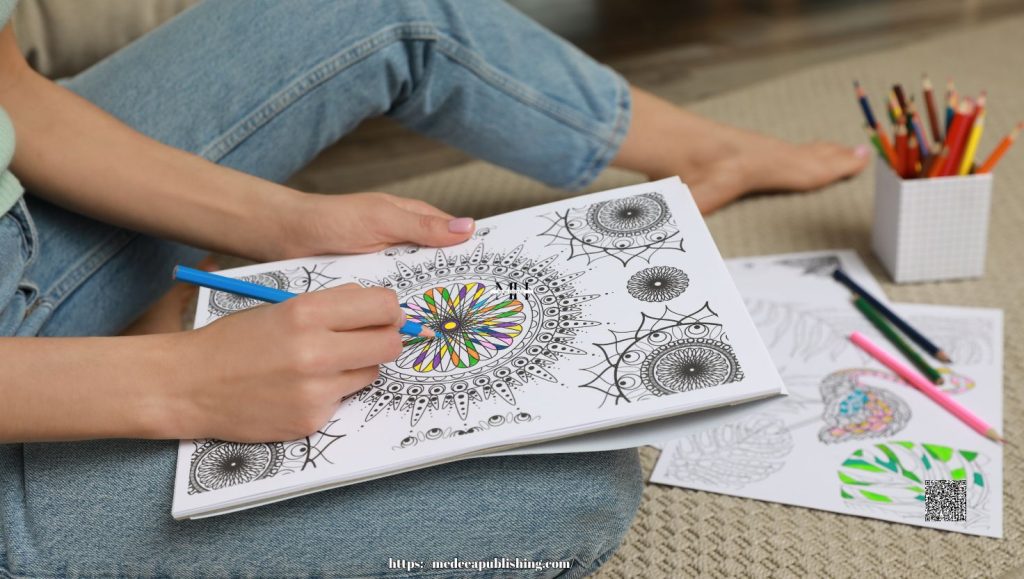
Mindfulness helps quiet repetitive thought loops. Coloring does the same by giving the brain something neutral, rhythmic, and visually soothing to focus on.
Research shows that coloring reduces:
- intrusive thoughts
- rumination
- fixation on negative events
The mind cannot simultaneously ruminate and engage deeply in sensory coloring tasks, making coloring a grounding practice during emotional tension.
7. Coloring Makes Mindfulness Accessible to Everyone
Many people find meditation intimidating or frustrating. Coloring removes barriers such as:
- sitting still in silence
- controlling thoughts
- learning formal techniques
Instead, coloring invites mindfulness through movement, creativity, and ease. For beginners, it’s one of the most approachable ways to integrate present-moment awareness into daily life.

Why You Should Add Mindful Coloring to Your Routine
Coloring is one of the few activities that simultaneously supports mental clarity, emotional stability, and creative expression. Unlike meditation—which some people resist because it feels difficult or abstract—coloring is gentle and enjoyable.
Who Benefits the Most?
- Adults with anxiety, stress, or burnout
- Kids who struggle with emotional regulation
- People with ADHD seeking focus
- Beginners who cannot sit still to meditate
- Creatives needing grounding
- Anyone craving screen-free calm
Coloring also fits into small moments: 3 minutes before a meeting, 10 minutes before bed, or during a break at work.
How to Start a Mindful Coloring Practice (Step-by-Step)
Below is a practical guide for integrating mindfulness into your coloring routine.
Step 1: Choose a Calm Environment
Mindfulness thrives in calm spaces. Turn off alerts, dim the lights, and create a cozy setup.
Step 2: Select the Right Page
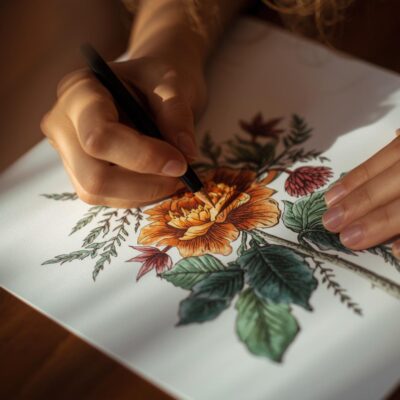
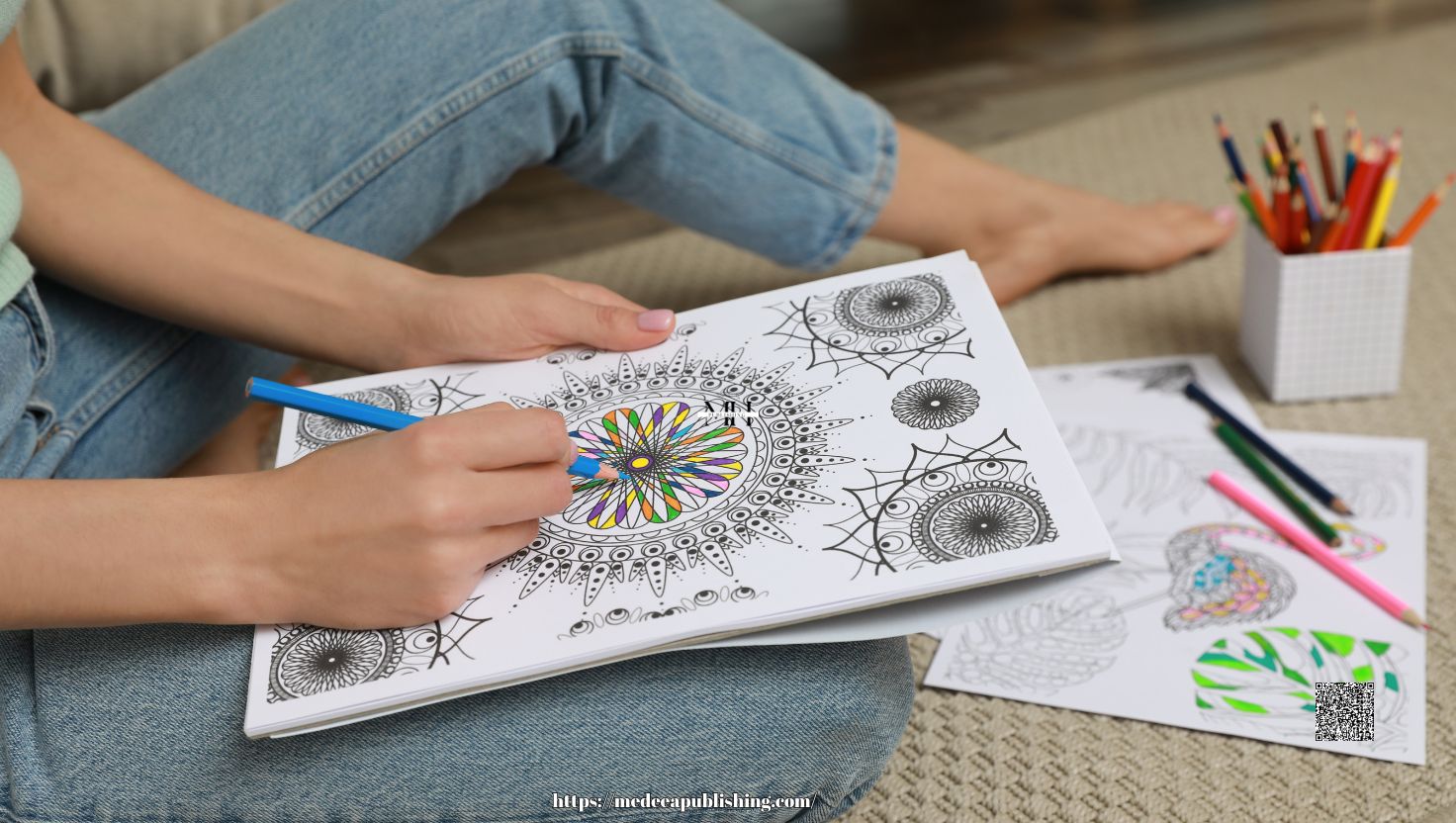
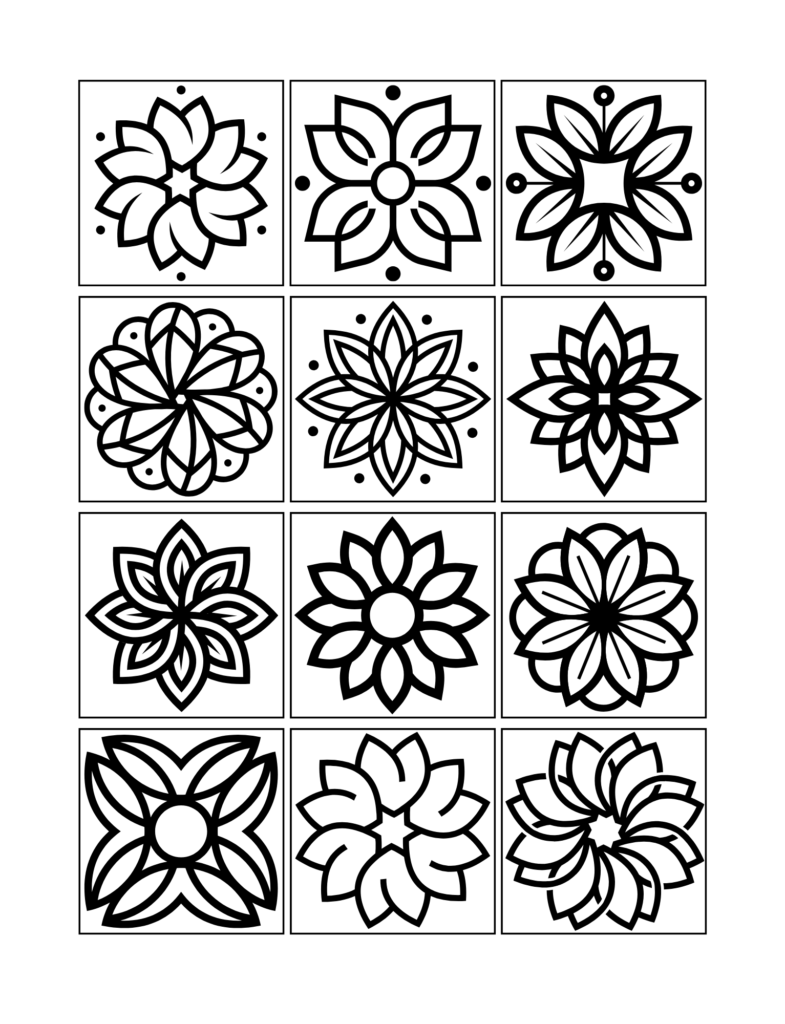
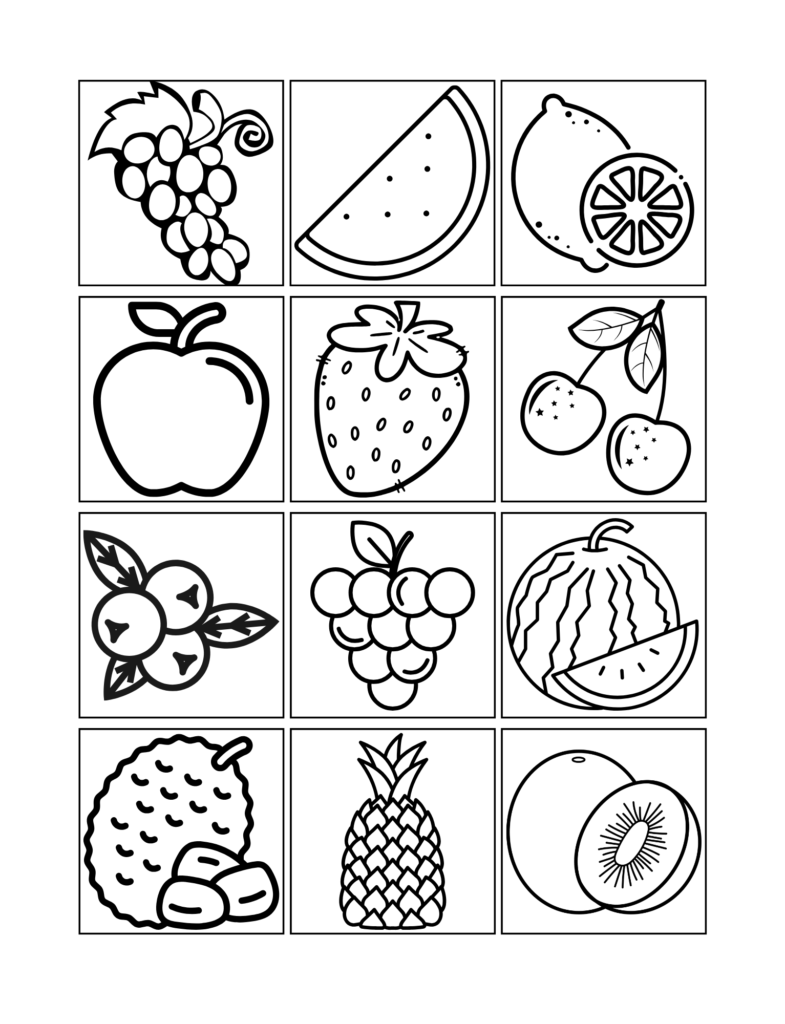
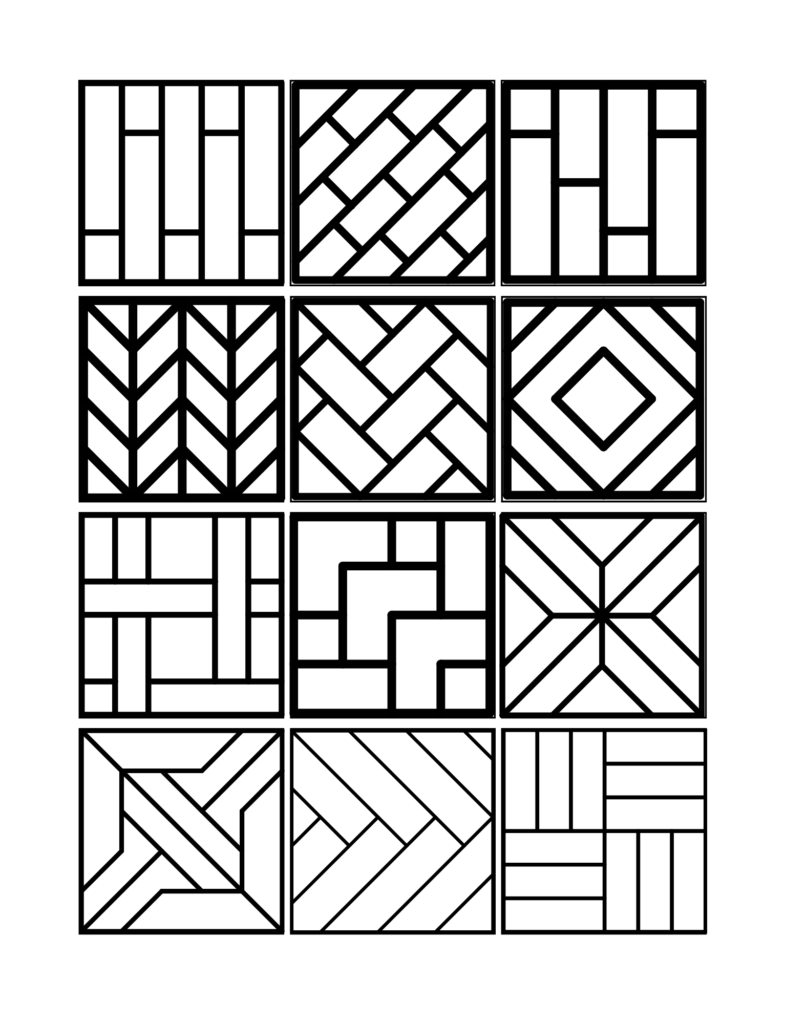
Botanical, nature, geometric, and symmetrical designs reinforce attention and soothe the nervous system.
Step 3: Begin with Intention
Ask:
- What emotion am I bringing into this moment?
- What feeling do I want to cultivate?
Step 4: Focus on Sensation
Notice:
- the motion of the pencil
- the blend of colors
- the pressure in your hand
- your breathing rate
Step 5: Gently Redirect the Mind
If your attention drifts, return without judgment. This is the essence of mindfulness.
Step 6: Reflect After Coloring
Take 10 seconds to observe how you feel—emotionally, mentally, physically.lly show?
- 5 Powerful Ways Coloring Boosts Mindfulness – Is It Really That Effective?
- 3 Reasons Adult Coloring Can Actually Relax Your Brain
- 5 Powerful Reasons Mindful Coloring Calms Your Brain
So—is coloring a form of mindfulness?
Yes. When approached intentionally, coloring activates the same neurological and emotional systems used in meditation. It reduces stress, deepens focus, improves emotional regulation, and helps you step into the present moment with gentle awareness.
Best of all, coloring is accessible to everyone. Whether you do it for 3 minutes or 30, mindfulness through coloring is a powerful way to invite calm, clarity, and creativity into your daily life. Ultimately, if you are asking is coloring a form of mindfulness, the research strongly suggests the answer is yes—when practiced intentionally.