
Coloring Beyond the Crayons
Mindful coloring is more than play—it’s a therapeutic, evidence-based way to bring your attention back to the present. Studies show that mindful coloring calms your brain, lowers stress, and supports emotional balance. And unlike traditional meditation, it’s simple, creative, and screen-free.
In this article, we’ll explore how mindful coloring supports brain health, reduces anxiety, and helps build long-term mindfulness—backed by real science.
What Is Mindful Coloring?
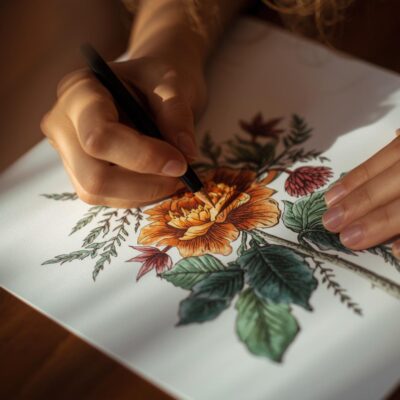
Mindful coloring means focusing intentionally on the coloring process: the shapes, the textures, the act of coloring itself. It’s mindfulness in motion.
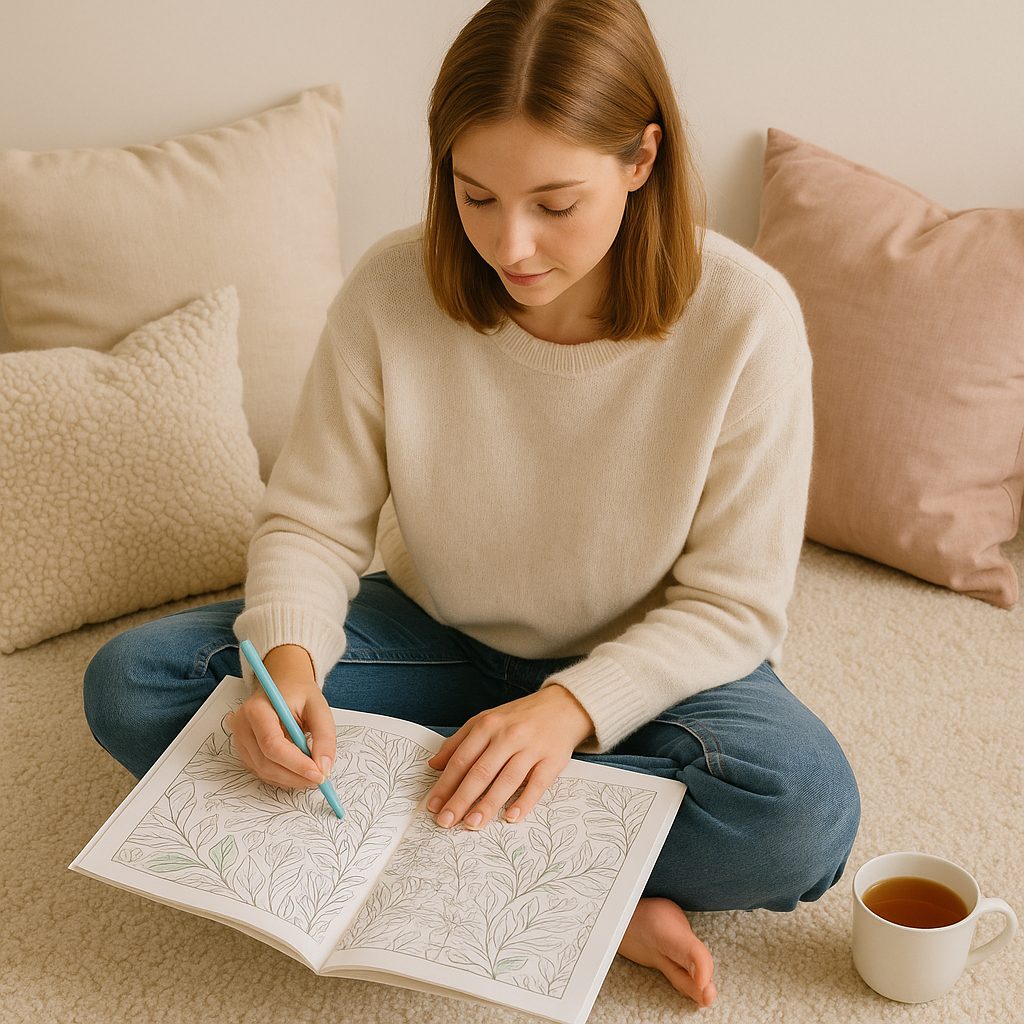
Instead of zoning out or rushing through pages, you let your mind rest in the rhythm of pencil strokes. Much like breathwork or walking meditation, this practice helps calm racing thoughts by redirecting your awareness to something grounded.
🔗 Cleveland Clinic notes that coloring “draws your attention away from yourself… onto the present-moment event.”
“It’s a form of active meditation—soothing, immersive, and easy to stick with.”
— Dr. Scott Bea, Psychologist, Cleveland Clinic
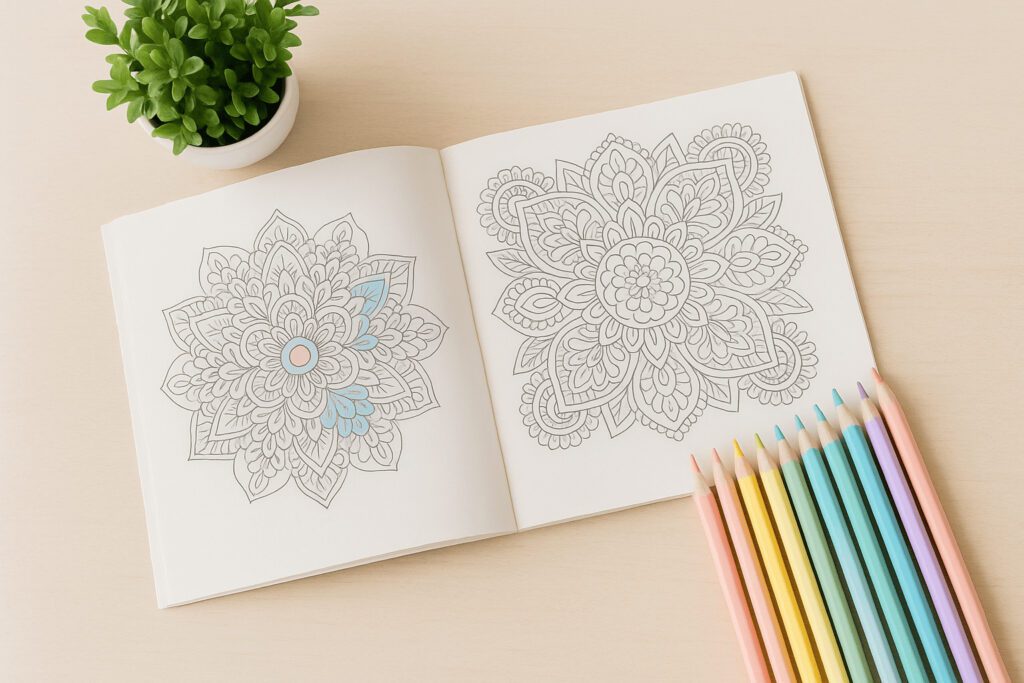
5 Ways Mindful Coloring Calms the Brain
1. Anchors Attention in the Present Moment
Coloring naturally redirects your focus to simple, tactile decisions:
- What color to choose
- How to stay inside the lines
- Watching the image unfold
This quiet focus activates the same brain networks used during meditation, reducing overthinking and anxiety.
2. Activates the Parasympathetic Nervous System
Mindful coloring helps the body enter the “rest and digest” state, slowing the heart rate and lowering cortisol levels.
According to a 2018 study, just 20 minutes of coloring can significantly reduce stress markers in adults.
3. Eases Anxiety
A 2005 study from the Journal of the American Art Therapy Association found that coloring mandalas led to “significantly lower anxiety” compared to free drawing.
4. Builds Emotional Regulation
Coloring provides a soothing sense of control. Each finished section offers small wins, encouraging relaxation and helping shift out of reactive thought loops.
5. Makes Mindfulness Accessible
Unlike traditional meditation, mindful coloring requires no training. It’s easy to practice anywhere, anytime, with just paper and pencils.
🔗 Frontiers in Psychology notes that mindful coloring enhances concentration and promotes psychological flexibility.
“Engaging in mindful coloring activates the relaxation response… lowering stress hormones and inducing a meditative state.”
— Frontiers in Psychology, 2020
How to Start a Mindful Coloring Practice
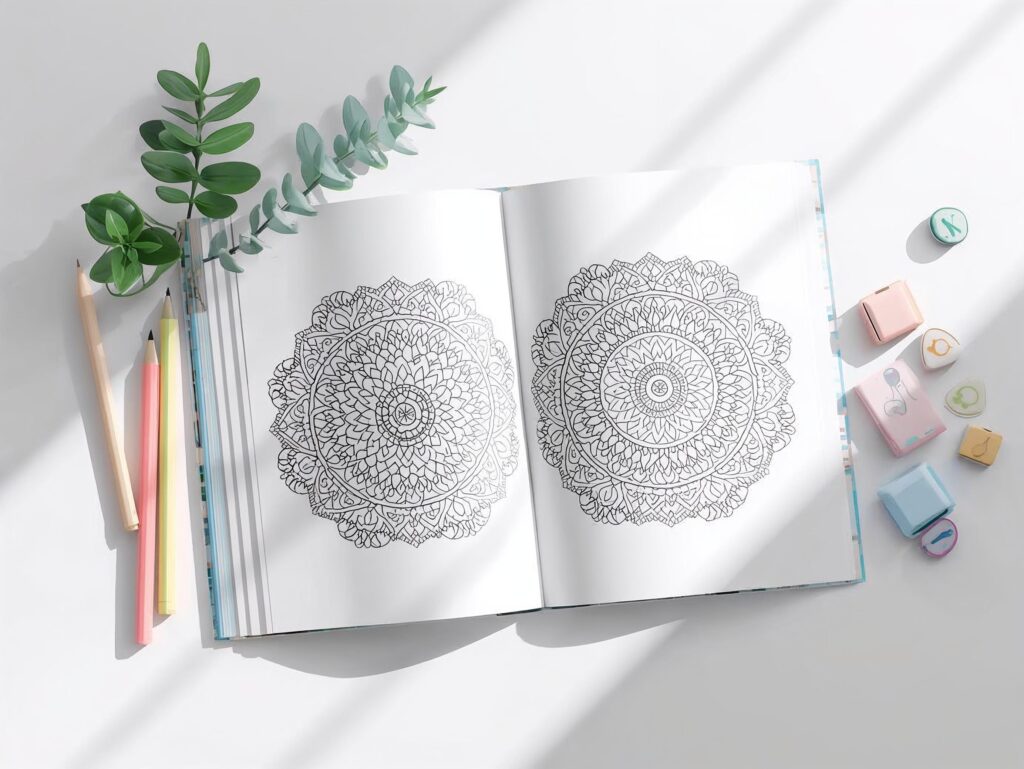
- Choose calming designs: Mandalas, florals, or symmetrical patterns
- Color slowly: Breathe with each stroke
- Limit distractions: Turn off notifications, play soft music if you like
- Check in: Notice your thoughts and gently return to the page if your mind wanders
Even 10–15 minutes of mindful coloring can shift your nervous system from stress to calm.
Is Mindful Coloring Worth It?
Absolutely. Mindful coloring calms your brain, enhances mental clarity, and supports emotional health—without the pressure of silent meditation.
Try adding a few minutes of coloring to your day and feel the shift for yourself.
Ready to explore more?
Read: Is Coloring a Form of Mindfulness?.