In the relentless rhythm of hospital corridors, emergency rooms, and patient care facilities, healthcare workers stand as pillars of strength, compassion, and unwavering dedication. Day in and day out, you navigate complex medical challenges, witness moments of profound vulnerability, and carry the immense weight of responsibility. This extraordinary commitment, while deeply rewarding, often comes at a significant personal cost. The invisible toll of stress, emotional fatigue, and the ever-present threat of burnout can slowly erode even the most resilient spirits.
But what if there was a simple, yet profoundly effective, tool to help you reconnect with your inner self, manage emotional flux, and cultivate a sanctuary of calm amidst the storm? What if understanding and intentionally choosing a calming colors could become a powerful act of self-care, a personal anchor in your demanding world? At Medeea Publishing, we believe in empowering you with accessible tools for well-being, and today, we delve into the transformative world of color psychology, offering a unique perspective tailored specifically for you, the healthcare heroes.
This comprehensive guide will explore how you can harness the potent energy of color to not only reflect your current emotional state but also to actively influence it. We’ll show you how to identify your personal color palette mood, understand the deep psychological impact of different hues, and integrate these insights into your daily life to foster resilience, reduce anxiety, and promote a sense of inner peace. And for those moments when you need a tangible outlet for stress relief and creative expression, remember that Medeea Publishing’s coloring books offer the perfect, accessible tool for anxiety relief, allowing you to immerse yourself in the calming embrace of color and form.
The Profound Impact of Color on the Healthcare Professional’s Psyche
Color is more than just a visual phenomenon; it’s a language understood by our subconscious, a powerful stimulus that can evoke profound emotional and physiological responses. For healthcare workers, who often operate in sterile, high-stress environments, the absence or thoughtful presence of color can make a significant difference in their well-being.
Think about the typical clinical setting: often dominated by whites, muted blues, and greens. While these choices serve practical purposes like cleanliness and perceived sterility, they can also contribute to a sense of coldness or detachment. Studies in environmental psychology consistently demonstrate how colors can influence mood, productivity, and even perceived comfort levels. Bright, vibrant colors can energize and uplift, while soft, cool tones can calm and soothe. The specific calming colors of your surroundings, or even your personal items, can act as a silent modulator of your emotional state.
You, as healthcare professionals, are constantly absorbing the emotions of others – fear, pain, hope, relief. This emotional labor is exhausting. Consciously engaging with color offers a non-verbal means to process these experiences, to create boundaries, and to recenter yourself. It’s about taking a proactive stance in managing your emotional environment, both internally and externally.
Understanding Your Inner Landscape: Why Your Color Palette Mood Matters
Self-awareness is the bedrock of emotional intelligence and self-care. Before you can choose a color palette mood to support your well-being, you first need to understand your current inner landscape. What emotions are you experiencing right now? Are you feeling overwhelmed, anxious, determined, peaceful, or a mixture of many things?
The beauty of connecting emotions to colors lies in its intuitive nature. We instinctively associate certain colors with specific feelings. Red might symbolize urgency, anger, or passion; blue, tranquility, sadness, or introspection; yellow, joy, anxiety, or hope. By consciously acknowledging these connections, you begin to build a personal dictionary of your emotional states, expressed through color.
This process is not about assigning rigid labels but about opening a dialogue with yourself. When you ask, “What color represents how I feel right now?” you’re engaging in a moment of mindfulness, a brief pause that can offer valuable insights into your psychological state. This therapeutic value extends beyond simple identification; it empowers you to then consider, “What color do I want to feel?” and explore ways to bring that color, and its associated mood, into your life.
For instance, if you’re feeling a deep sense of compassion fatigue, you might identify with muted grays or deep blues. If you then wish to cultivate resilience and hope, you might consciously seek out splashes of vibrant green, representing growth, or optimistic yellow. This intentional shift in your mental and visual environment can begin to subtly, yet effectively, rewire your emotional responses, acting as a crucial element in your journey toward sustained well-being.
Decoding Your Emotional Spectrum: How to Identify Your Current Color Palette Mood
Identifying your current color palette is a journey of self-discovery. It involves pausing, tuning into your internal signals, and allowing your intuition to guide you. This isn’t a scientific diagnosis but a personal, subjective exploration that can be incredibly illuminating. Here’s a practical guide to help you get started:
Step 1: The Daily Check-in – A Moment of Mindfulness
At several points throughout your day – perhaps during your morning coffee, a quick break, or before bed – take a few deep breaths. Close your eyes for a moment if you can, or simply soften your gaze. Ask yourself: “How do I feel right now, truly?” Don’t judge the feeling, just observe it.
Now, translate that feeling into a color. What color comes to mind first? Is it a vibrant hue, a muted tone, a dark shade, or a light pastel? Is it a single color, or a blend of several? For example:
- Red: May indicate stress, anger, frustration, but also passion, urgency, or alertness.
- Blue: Often associated with calm, sadness, introspection, peace, or profound thought.
- Yellow: Can signify joy, optimism, energy, but also anxiety or caution.
- Green: Represents growth, balance, nature, healing, and harmony.
- Purple: Linked to creativity, spirituality, luxury, but also melancholy or mystery.
- Orange: Suggests enthusiasm, warmth, determination, or warning.
- Black: Can convey seriousness, power, grief, or protection.
- White: Implies purity, sterility, simplicity, but also emptiness or isolation.
- Grey: Often reflects neutrality, indifference, melancholy, or stability.
This exercise is a form of emotional journaling, but instead of words, you use colors. This simple act of identification is a powerful mindfulness technique, allowing you to acknowledge your feelings without getting swept away by them. For more on the benefits of integrating mindfulness into your daily routine, consider exploring resources like Psychology Today’s comprehensive guide on mindfulness, which offers valuable insights into cultivating present-moment awareness.
Step 2: Observing Your Environment
What colors are you naturally drawn to when you feel a certain way? When stressed, do you gravitate towards dark, comforting clothes or bright, distracting screens? When seeking peace, do you look for natural greens outside your window or the soothing blue of the sky? Your current preferences might already be subtly indicating your prevailing color palette mood.
Step 3: Creating a Mood Board (Mental or Physical)
Imagine collecting images, fabrics, or even abstract swatches of color that resonate with how you currently feel. This doesn’t have to be a physical board; a mental collection will suffice. What themes emerge? Are they predominantly cool, warm, dark, or light? This collection visually represents your current internal state and helps you articulate your color palette more clearly.
By regularly engaging in these steps, you’ll become more attuned to your emotional rhythms and the colors that intrinsically link to them. This heightened awareness is the first crucial step towards intentionally crafting a new, more supportive color palette mood for yourself.
From Stress to Serenity: Crafting a Calming Color Palette
Once you’ve identified your current emotional calming color palette mood, the next, empowering step is to intentionally craft one that promotes the emotional states you desire – most often, for healthcare workers, this means serenity, calm, and resilience. This isn’t about ignoring your current feelings, but rather about creating an environment, both internal and external, that supports your well-being and helps you transition towards a more peaceful state.
The goal is to infuse your life with colors that act as visual cues for calm, drawing upon established principles of color psychology. Here’s how to build your calming colors:
1. Embrace the Power of Cool Tones
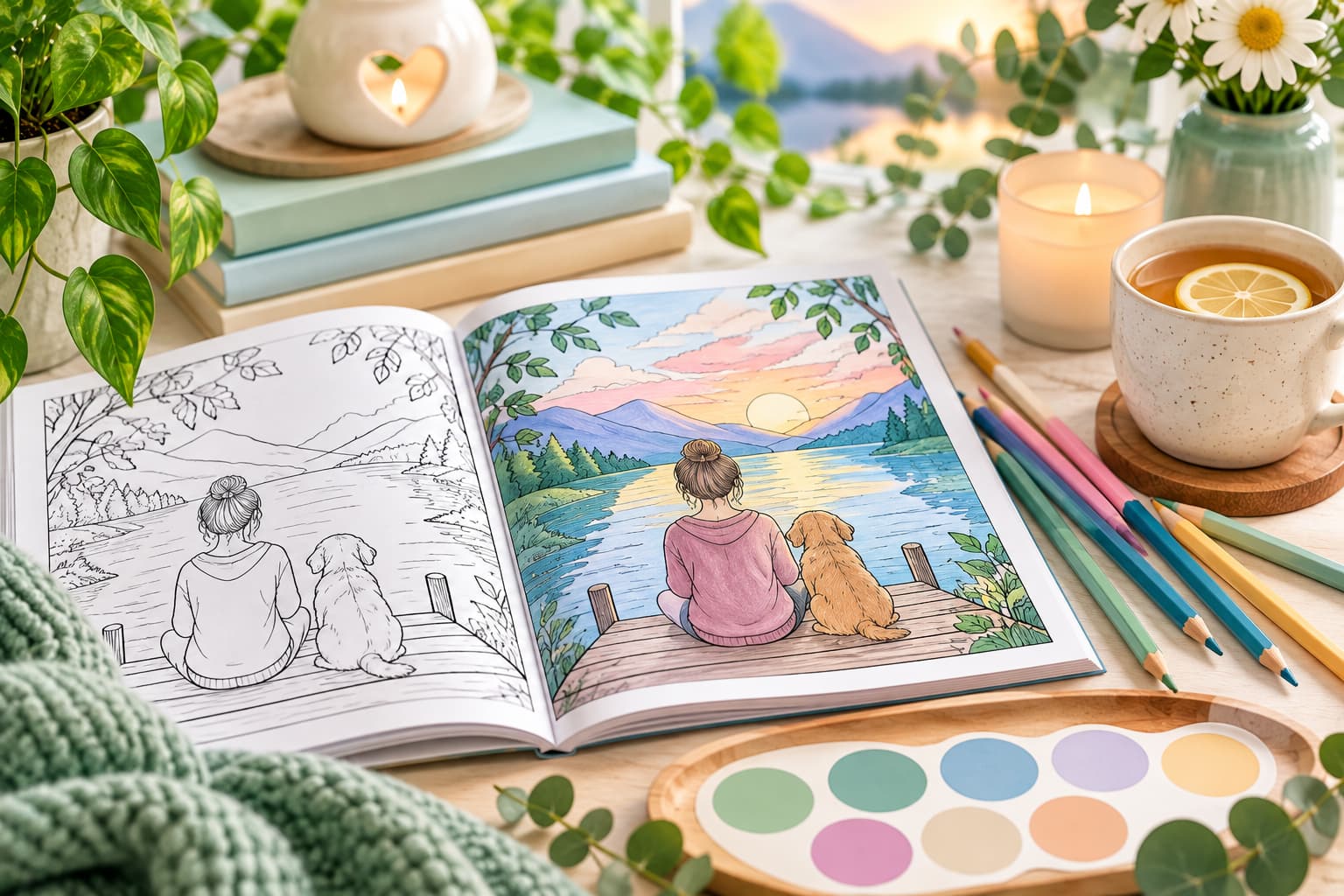
- Blues: The quintessential calming color. From light sky blues to deep navy, blues are associated with tranquility, stability, and peace. They can lower heart rates and promote a sense of security. Incorporate blues through clothing, office accessories, screen backgrounds, or even by simply gazing at the sky during a break.
- Greens: Strongly linked to nature, growth, and harmony. Greens are restorative, reducing stress and promoting a feeling of balance. Think soft sage, forest green, or vibrant lime. Surrounding yourself with plants is an excellent way to introduce natural green.
- Teals and Aquas: These colors combine the calming properties of blue with the refreshing energy of green, creating a sense of clarity and rejuvenation.
2. Soften with Neutrals and Earth Tones
- Warm Neutrals (Beiges, Creams, Light Browns): These provide a sense of warmth, comfort, and groundedness without being overstimulating. They are excellent foundational colors that allow other calming hues to shine without feeling overwhelming.
- Soft Greys: Unlike stark, cold greys, soft, warm greys can offer a sense of stability, sophistication, and quiet contemplation. Pair them with blues or greens to prevent them from feeling isolating.
3. Introduce Gentle Pastels
- Lavender and Soft Purples: These hues are often associated with spirituality, peace, and creativity. Lavender, in particular, is known for its calming qualities, sometimes linked to the aroma of the plant itself.
- Pale Pinks: While brighter pinks can be energetic, soft, dusty rose or blush pinks can evoke feelings of warmth, compassion, and nurturing – perfect for a profession rooted in care.
4. Consider Strategic Accents
While a predominantly cool or neutral palette fosters calm, small, intentional pops of warmer, brighter colors can add a touch of hope, energy, or joy without disrupting the overall serenity. For example, a calming blue room might benefit from a small vase of yellow flowers, symbolizing optimism, or a touch of soft orange for creativity.
5. Avoid Over-Stimulation
When crafting a calming color palette, less can often be more. Overuse of very bright, highly saturated, or conflicting colors can lead to visual fatigue and heightened stress. Aim for harmony and balance within your chosen palette.
By consciously selecting and surrounding yourself with these colors, you are actively creating a visual sanctuary, a subtle yet powerful daily intervention that can significantly contribute to your emotional regulation and overall peace of mind. This deliberate choice of a palette mood moves beyond passive observation to active engagement in your self-care journey.
Practical Applications for Healthcare Workers: Integrating Your Chosen Color Palette
Understanding the theory of color psychology is one thing; applying it effectively in your demanding life as a healthcare worker is another. The key is finding practical, subtle, and accessible ways to integrate your chosen calming color palette mood into your daily routine. Here are several actionable strategies:
1. Personal Attire and Accessories
- Scrubs and Uniforms: While hospital policies dictate much of your work attire, if you have any flexibility, opt for blues, greens, or even muted purples. These colors can not only positively impact your own mood but also convey a sense of calm and trustworthiness to patients.
- Under-scrub Layers: Choose undershirts or compression wear in your calming colors. Even if unseen, knowing you’re wearing a color that supports your emotional state can provide a subtle psychological boost.
- Accessories: Your personal items offer more freedom. Think about your badge reel, pen, hair tie, watch strap, or even your phone case. Opt for calming hues in these small, visible items that you interact with frequently. A scarf or a pair of socks in a soothing color can also provide a small, personal comfort.
2. Personal Space at Work
- Locker/Break Room: If you have a personal locker or a designated space in the break room, personalize it. A small photo frame with calming colors, a soft-hued blanket for breaks, or even a digital background on a personal tablet can make a difference.
- Workstation: For those with desk jobs or administrative roles, use calming colors for your mousepad, desktop organizer, or even your coffee mug.
- Screen Backgrounds: Change your computer or phone wallpaper to an image dominated by your chosen calming color – think serene landscapes, abstract patterns, or minimalist designs.
3. Mindful Moments and Visualizations
- Color Breathing: During a quick break, close your eyes and visualize breathing in your calming color (e.g., a serene blue) and exhaling a color that represents stress or tension (e.g., murky grey). Repeat this for a few breaths.
- Focus Objects: Keep a small, appealing object in your calming color on hand – a smooth stone, a worry bead, or a small trinket. When feeling overwhelmed, hold it, focus on its color, and take a few deep breaths.
4. Creative Outlets and Art Therapy
This is where active engagement with color truly shines. Engaging in creative activities centered around your calming colors can be profoundly therapeutic. This doesn’t require artistic talent, only a willingness to engage.
- Journaling with Color: Use colored pens or markers to express your mood in a journal. If you’re feeling anxious, use blues and greens to try and shift your energy as you write.
- Simple Doodling or Sketching: Grab a sketchbook and some colored pencils. Spend even five minutes mindlessly doodling with your calming colors. This simple act can reduce cortisol levels and promote relaxation.
- Coloring Books: This is an incredibly accessible and effective form of art therapy. Coloring allows you to engage with color in a structured, meditative way, reducing overthinking and promoting a flow state. It’s about the process, not the outcome.
The Healing Power of Creative Expression: Medeea Publishing Coloring Books for Your Color Palette Mood Journey
Among the myriad of self-care techniques available, the simple act of coloring has emerged as a particularly potent tool for stress reduction and anxiety relief. For healthcare professionals, whose minds are constantly engaged in critical thinking and problem-solving, coloring offers a unique opportunity to disengage the analytical mind and tap into a more intuitive, peaceful state. This is where Medeea Publishing’s coloring books become an invaluable resource, perfectly aligned with your journey of discovering and utilizing your personal color palette mood.
Our carefully curated collections are designed not just for entertainment, but as a therapeutic pathway. They provide intricate patterns and engaging designs that encourage focus and concentration, shifting your attention away from the stresses of your day. As you select colors and fill in spaces, you are actively engaging with your chosen calming colors, creating a visual representation of the calm and serenity you wish to cultivate. This mindful engagement stimulates the brain’s pleasure centers, releases endorphins, and reduces the activity of the amygdala, the part of the brain responsible for fear and stress responses.
Imagine, after a challenging shift, sinking into a comfortable chair with a Medeea Publishing coloring book and a set of colored pencils. You begin to choose shades of calming blues, soothing greens, or gentle lavenders. With each stroke, you are not just coloring; you are actively practicing mindfulness, grounding yourself in the present moment, and allowing the creative process to wash away the day’s tensions. Our books offer a tangible, accessible, and enjoyable form of anxiety relief, allowing you to reclaim moments of peace and re-energize your spirit. They are a dedicated space for you to explore, express, and immerse yourself in the healing power of color, transforming your internal color palette mood from one of fatigue to one of renewal.
Beyond the Shift: Long-Term Well-being and Calming Activities for Healthcare Professionals
While immediately addressing your color palette during or after a shift is vital, true resilience for healthcare workers comes from a holistic, long-term approach to well-being. This means cultivating sustainable self-care practices that extend beyond the immediate demands of your profession and support you through all stages of life, including eventual retirement. Just as we advocate for intentional color choices, we also encourage embracing a broader spectrum of calming activities for retirees that are equally beneficial for busy healthcare professionals today.
Many activities associated with a relaxed retirement lifestyle—hobbies, nature engagement, quiet reflection—are, in fact, universally beneficial for stress reduction and mental health. Integrating these now can build a strong foundation for lifelong well-being.
1. Connecting with Nature
Spending time outdoors has profound benefits. A simple walk in a park, tending to a small garden, or even sitting by a window and observing the natural world can lower blood pressure, reduce stress hormones, and improve mood. Nature’s inherent color palette mood, dominated by greens and blues, is inherently calming and restorative. Even a few minutes of “forest bathing” (mindfully immersing yourself in a natural environment) can be incredibly rejuvenating.
2. Engaging in Hobbies
Beyond coloring, explore other hobbies that engage your hands and mind in a different way. This could include:
- Knitting or Crocheting: Repetitive, rhythmic movements are meditative and can reduce anxiety. Choosing soft, calming yarn colors enhances this experience.
- Baking or Cooking: The sensory experience of creating something delicious, from measuring ingredients to enjoying the aromas, can be deeply grounding.
- Playing a Musical Instrument: Learning or practicing music engages different parts of the brain and offers a powerful form of emotional expression.
- Reading for Pleasure: Escaping into a good book provides a much-needed mental break.
3. Physical Activity
Regular exercise, even moderate activity, is a powerful stress reliever. Whether it’s yoga, swimming, dancing, or hiking, physical movement releases endorphins and helps process pent-up tension. Consider activities that also allow you to appreciate the visual world around you, subtly influencing your internal mood.
4. Mindfulness and Meditation
Dedicated mindfulness practices, such as meditation or deep breathing exercises, train your mind to stay in the present moment, reducing rumination and anxiety. Even five minutes a day can make a significant difference. As discussed earlier, visualizing your calming colors during these practices can enhance their effectiveness.
5. Social Connection
Maintaining strong social bonds with friends, family, or support groups is crucial. Sharing experiences and laughter can alleviate feelings of isolation and provide perspective. Even choosing an environment with a pleasant color palette for social gatherings can subtly enhance the experience.
By consciously integrating these calming activities for retirees – which are, in essence, calming activities for everyone – into your busy life now, you are not only managing current stress but also building a foundation for a rich, balanced, and fulfilling future. These practices, combined with the intentional use of your chosen color palette mood, form a powerful toolkit for sustained well-being.
Cultivating Resilience Through Intentional Color Choice
Resilience isn’t merely the ability to bounce back from adversity; it’s the capacity to adapt, grow, and even thrive in the face of challenges. For healthcare workers, cultivating resilience is not a luxury, but a professional necessity. Intentional engagement with your color palette mood can play a surprisingly significant role in this ongoing process.
When you consistently choose to surround yourself with colors that evoke peace, strength, or hope, you are subtly training your brain. You are creating positive associations and visual anchors that you can return to, especially during times of high stress. This isn’t about ignoring difficulties, but about building a reservoir of calm and strength from which to draw.
The power of routine and ritual in self-care cannot be overstated. Making the conscious choice to select your clothing colors, personalize your workspace with calming hues, or dedicate time to coloring with a specificcolor palette becomes a ritual. These small, deliberate acts reinforce your commitment to your own well-being, sending a powerful message to your subconscious that you are worthy of care and attention. Over time, these consistent efforts build a stronger, more resilient self, better equipped to face the inevitable challenges of your noble profession. Each deliberate choice of a color palette mood becomes a step towards a more resilient you.
Designing Your Sanctuary: Personalizing Spaces with Your Ideal Color Palette Mood
Beyond personal items, your living environment plays a critical role in shaping your mood and overall well-being. After spending countless hours in sterile, often emotionally charged, clinical environments, returning to a home that feels like a true sanctuary is paramount. Intentional design, centered around your ideal color palette mood, can transform your living spaces into havens of rest, rejuvenation, and personal expression.
1. The Bedroom: A Retreat for Rest and Recharging
Your bedroom should be the ultimate zone for relaxation. Focus on soft, muted versions of your calming color palette mood. Think:
- Walls: Gentle blues (sky blue, dusty blue), soft greens (sage, mint), or warm neutrals (cream, very light grey) can promote tranquility and better sleep.
- Bedding: Opt for sheets and duvets in solid, calming colors or subtle patterns. Avoid overly busy or bright designs that can be visually stimulating.
- Lighting: Warm, dimmable lighting is essential. Use lamps with soft, ambient glows rather than harsh overhead fixtures.
- Accents: Introduce texture with plush throws or pillows in complementary calming colors. A piece of art with a serene landscape or abstract pattern can also contribute to the desired color palette mood.
2. The Living Area: Comfort and Connection
This is where you unwind, connect with loved ones, or engage in your calming hobbies. The color palette mood here can be slightly more vibrant than the bedroom but should still prioritize comfort and relaxation.
- Larger Furniture: If possible, choose sofas or accent chairs in more grounding colors like deep navy, forest green, or warm grey.
- Throws and Pillows: These are easy and affordable ways to inject your chosen calming colors.
- Plants: Living plants bring natural green into the space, enhancing the feeling of vitality and calm.
- Artwork: Select art that evokes feelings of peace, joy, or inspiration for your desired color palette mood.
3. Even Small Spaces: Making the Most of What You Have
Even if you don’t have extensive living space, you can still infuse your chosen color palette mood:
- Entryway: A small mat, a key bowl, or a piece of wall art in calming colors can signal a shift from the outside world to your personal sanctuary.
- Bathroom: Plush towels, shower curtains, or bath accessories in blues, greens, or lavenders can transform a functional space into a mini-spa.
- Kitchen: A colorful mug, a dishtowel, or a vase of fresh flowers can bring cheerful or calming energy to your meal preparation area.
4. DIY Tips for Incorporating Colors
- Paint Swatches: Before committing to painting an entire room, try large paint swatches on your walls to see how the color looks at different times of day.
- Textile Focus: Curtains, rugs, and upholstery are excellent ways to introduce color without permanent changes.
- Accessorize Smartly: Vases, candles, books, and decorative objects are your best friends for adding splashes of your chosen color palette mood.
- Natural Light: Maximize natural light where possible. Light can dramatically alter how colors are perceived and is a mood enhancer in itself.
By mindfully curating your home environment with your ideal color palette mood, you create a space that actively supports your mental and emotional health. This deliberate approach to your surroundings reinforces your commitment to self-care, providing a restorative backdrop against the demands of your crucial work.
The Role of Digital Tools and Apps in Exploring Your Color Palette Mood
In our increasingly digital world, technology can also serve as an ally in exploring and maintaining your desired The Role of Digital Tools and Apps in Exploring Your color palette mood. While nothing replaces the tactile experience of coloring or the natural beauty of the world, digital tools can offer convenient ways to engage with color psychology, especially for busy healthcare professionals who are constantly on the go.
- Mood Tracking Apps with Color Integration: Many mindfulness and mood journaling apps allow you to assign colors to your daily emotions. Over time, you can visualize your emotional patterns and identify your prevailing color palette mood, helping you understand when you might need to introduce more calming hues.
- Color Palette Generators: There are numerous free online tools and apps (e.g., Coolors, Adobe Color) that allow you to experiment with different color combinations. You can input a base color that represents how you want to feel and generate a harmonious palette to inspire your clothing, home decor, or even your digital workspace.
- Digital Coloring Books and Art Apps: If you don’t have physical coloring books or art supplies readily available, there are many digital coloring apps that offer a similar meditative experience. These allow you to choose colors and fill patterns directly on your tablet or smartphone, making them perfect for quick breaks.
- Customizable Digital Backgrounds: Personalize your phone, tablet, and computer backgrounds with images or abstract patterns featuring your desired calming color palette mood. Seeing these colors regularly can offer subtle, positive reinforcement throughout your day.
These digital aids complement physical practices by offering flexibility and convenience, ensuring that exploring and maintaining your optimal color palette mood remains accessible, even amidst the most demanding schedules.
Addressing Burnout Proactively: A Holistic Approach with Color and Mindfulness
Burnout is a pervasive and serious issue among healthcare workers, characterized by emotional exhaustion, depersonalization, and a reduced sense of personal accomplishment. While the intentional use of a color palette mood can be a powerful tool for emotional regulation and anxiety relief, it is essential to recognize it as one component within a broader, holistic strategy for preventing and managing burnout. Color, combined with other vital self-care pillars, forms a comprehensive defense against the cumulative stress of your profession.
A holistic approach acknowledges that well-being is multifaceted, requiring attention to physical, mental, and emotional health. Here’s how color integrates with other crucial elements:
1. Sleep Hygiene
Adequate and restorative sleep is non-negotiable for healthcare professionals. Disruptions to circadian rhythms and insufficient sleep exacerbate stress and compromise cognitive function. Creating a bedroom environment with a calming color palette mood (soft blues, greens, muted neutrals) directly supports better sleep hygiene by promoting relaxation and reducing visual stimulation before bed.
2. Nutrition and Hydration
Fueling your body with nutrient-dense foods and staying adequately hydrated provides the physical stamina and mental clarity needed to manage demanding shifts. The vibrant colors of fresh fruits and vegetables can even be seen as a “nutritional color palette mood,” influencing both physical and mental energy.
3. Physical Activity and Movement
As mentioned before, regular exercise is a powerful antidote to stress. It releases tension, improves mood, and can even facilitate better sleep. Choosing workout gear in energizing or calming colors, or exercising in natural environments rich in soothing green hues, subtly enhances the experience.
4. Social Support and Connection
Maintaining strong relationships with colleagues, friends, and family provides vital emotional buffering. Sharing experiences, receiving empathy, and engaging in lighthearted activities can significantly reduce feelings of isolation and exhaustion. Consider creating social spaces with an inviting color palette mood to foster connection.
5. Professional Boundaries and Advocacy
Beyond individual self-care, addressing burnout requires systemic changes and personal advocacy. Learning to say “no,” setting realistic expectations, and advocating for better working conditions are crucial. While color can’t directly solve systemic issues, it can support your inner strength and resolve as you navigate these challenges.
6. Therapeutic Interventions
For persistent or severe burnout, seeking professional help from therapists or counselors is a sign of strength, not weakness. Cognitive Behavioral Therapy (CBT), mindfulness-based stress reduction (MBSR), and other therapeutic approaches can provide invaluable coping strategies. Many of these therapies inherently encourage self-reflection, which can include exploring your emotional responses through color. For more extensive resources on managing stress and fostering well-being, reputable sources like Mayo Clinic offer comprehensive guides on stress relief, including the benefits of creative activities like art.
By weaving the intentional use of color into this holistic fabric of self-care, healthcare workers can create a robust and personalized strategy against burnout. The goal is to build a life that is not just sustainable but genuinely enriching, both inside and outside the clinical setting. For more insights into diverse well-being strategies tailored for demanding professions, you can always explore other articles and resources on Medeea Publishing’s blog posts, which offer a wealth of supportive content.
Community and Shared Experiences: Discussing Your Color Palette Mood with Peers
One of the most powerful antidotes to the isolation and stress that healthcare workers often face is the strength of community. While your personal journey with your color palette mood is deeply individual, sharing your insights and experiences with peers can amplify its benefits and foster a supportive environment.
Opening up about self-care strategies, even unconventional ones like connecting with color, helps normalize the conversation around mental health in demanding professions. Imagine a conversation with a colleague where you discuss how a particular shade of blue helps you feel grounded after a difficult patient interaction, or how you use a vibrant yellow to boost your energy during a long night shift. These discussions can:
- Reduce Stigma: By sharing personal coping mechanisms, you contribute to a culture where discussing mental well-being is seen as a strength, not a weakness.
- Offer New Perspectives: Your colleagues might have their own intuitive color associations or unique ways of integrating color into their self-care, providing you with fresh ideas and insights for your own color palette mood journey.
- Build Camaraderie: Finding common ground in such personal explorations can deepen bonds and create a stronger sense of team support.
- Inspire Others: Your willingness to try new self-care techniques, like engaging with your color palette mood, might inspire a colleague who is struggling to find their own path to peace.
Consider initiating a casual conversation about favorite colors and their mood associations during a break. You might be surprised by how many of your peers resonate with the concept and are eager to explore how their own color palette mood can support them. This shared exploration transforms a personal practice into a collective one, strengthening the resilience of the entire healthcare community.
FAQs on Color Psychology and Mood for Healthcare Professionals
Q1: Is choosing a Color Palette Mood just about personal preference, or is there science behind it?
While personal preference certainly plays a role, there’s a significant body of research in color psychology and environmental psychology demonstrating how different colors evoke specific emotional, psychological, and even physiological responses. For example, cool colors like blue and green are consistently associated with calm and serenity, while warm colors like red can stimulate or create urgency. The science supports the idea that intentional color choices can influence mood, and for healthcare workers, this can be a valuable tool.
Q2: How can I incorporate a calming Color Palette Mood when my uniform is mandated?
Even with strict uniform policies, you have options! Focus on personal accessories you’re allowed to wear (badge reels, pens, watch bands, hair ties), your under-scrub layers, or even your footwear. Your phone background, a small item in your locker, or a calming image on your computer screen can also subtly introduce your desired colors into your daily environment. The goal is to create small, consistent visual cues for yourself.
Q3: What if I feel drawn to a color that isn’t typically considered “calming,” like red or orange?
That’s perfectly normal and valuable! Color associations are both universal and highly personal. If you’re drawn to a vibrant color, consider what that color means to you. Does red symbolize energy, passion, or strength that you need? Does orange represent creativity or warmth? You can use these colors strategically as accents for energy bursts, or to represent specific desired feelings. The key is to understand your personal association and use it intentionally, rather than blindly following general guidelines. Your personal color palette mood is unique to you.
Q4: How often should I reassess my Color Palette Mood?
Your moods and needs can change daily, weekly, or seasonally. It’s beneficial to have a core calming color palette mood for stability, but also to allow for flexibility. Consider a quick “color check-in” daily or weekly. Ask yourself: “How am I feeling today, and what color reflects that? What color do I want to feel, and how can I bring that color into my immediate surroundings?” This keeps the practice dynamic and responsive to your evolving emotional landscape.
Q5: Can coloring books really help with anxiety relief for healthcare workers?
Absolutely. Adult coloring books, like those offered by Medeea Publishing, provide a structured yet creative outlet. The act of choosing colors and focusing on filling intricate patterns can induce a meditative state, reducing the brain’s activity in areas associated with stress and anxiety. It shifts focus from external pressures to a simple, enjoyable task, allowing for mental decompression and emotional release. Many healthcare professionals find it to be an accessible and effective form of mindfulness and self-care, directly influencing their color palette mood.
Conclusion
The journey of a healthcare worker is one of immense challenge and profound reward. Amidst the ceaseless demands and emotional complexities, prioritizing your own well-being is not a luxury, but a fundamental necessity. The power of color, often underestimated, offers a surprisingly accessible and effective pathway to self-awareness, emotional regulation, and sustained peace of mind.
By learning to identify your current emotional state through a color palette moodd, and then intentionally choosing to surround yourself with hues that promote calm, resilience, and joy, you are actively taking control of your inner world. This practice, from selecting your personal accessories to designing your home sanctuary, provides continuous visual anchors for tranquility and strength.
Remember that tools like Medeea Publishing’s coloring books are specifically designed to support this journey, offering a tangible, meditative outlet for anxiety relief and creative expression. They provide a vital space where you can consciously engage with color, transforming moments of stress into opportunities for renewal and self-discovery. Combine this with broader self-care strategies, including activities that are universally calming for all, such as connecting with nature and fostering social bonds, and you build a truly holistic foundation for well-being.
We encourage you, the dedicated healthcare heroes, to embrace this powerful, personal journey. Explore the transformative potential of your own color palette mood. Allow color to be your silent ally, a constant reminder to breathe, reflect, and nurture the compassionate spirit within you. Visit MedeeaPublishing.com to discover resources that empower your well-being, one color at a time.