
Why Fine Motor Skills Art is Essential for ADHD Brains
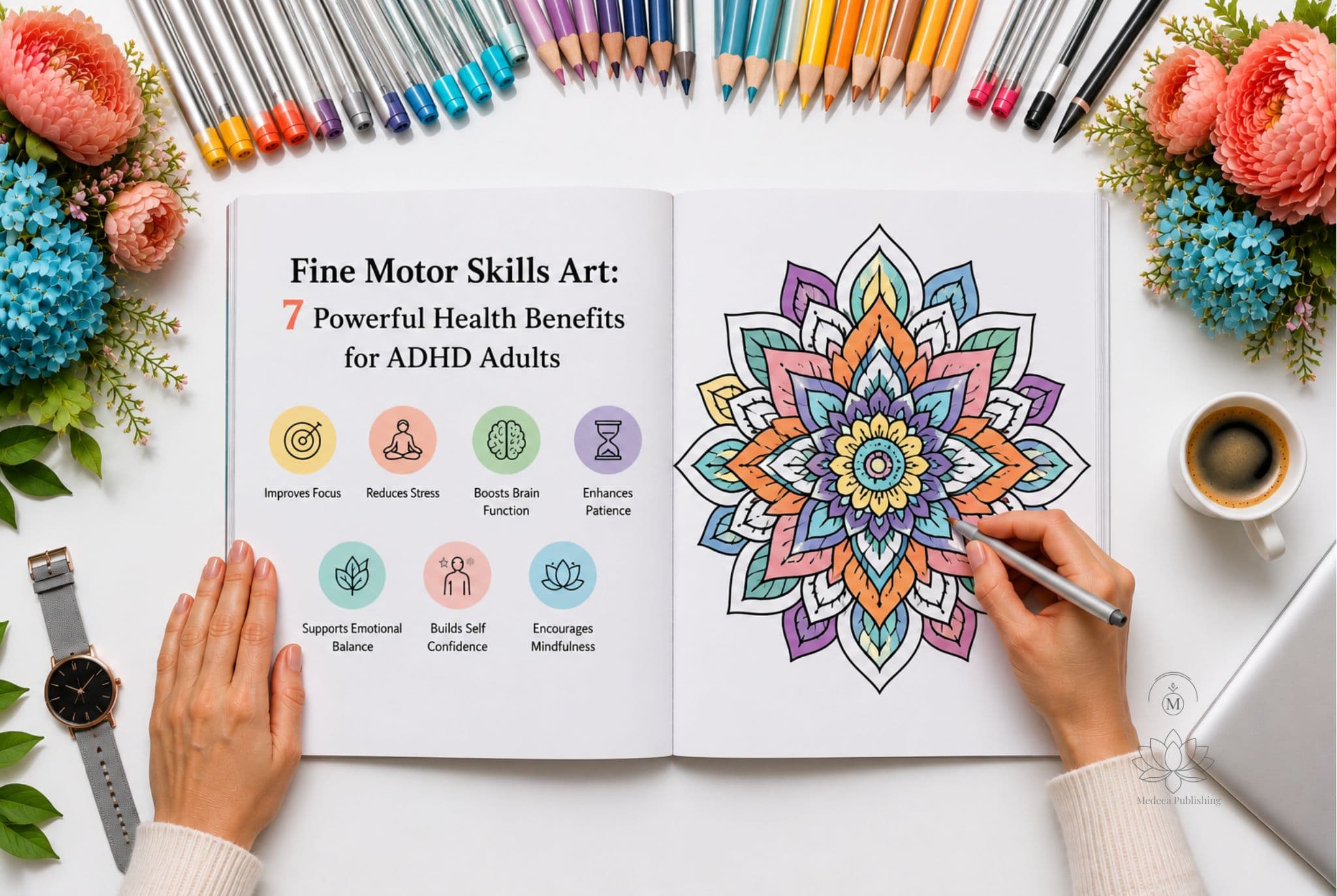
For many adults diagnosed with ADHD, fine motor coordination can sometimes be an overlooked challenge. While we often focus on the mental aspects—like distractibility or impulsivity—the physical manifestation of these neurological differences can include “clumsiness” or a lack of precision in manual tasks. Practicing fine motor skills art acts as a bridge, connecting the brain’s motor cortex with the prefrontal cortex, which is responsible for focus and organization.
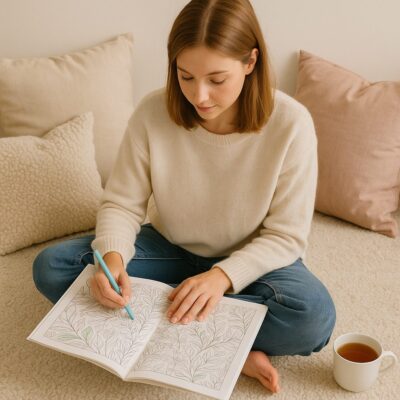
When you engage in coloring, your brain is performing a complex series of calculations. You are judging the pressure required to achieve a certain shade, the distance to the border of a line, and the rhythmic motion of the hand. For an ADHD adult, this provides a “Goldilocks” level of stimulation: it is challenging enough to keep the brain engaged, but predictable enough to prevent the overwhelm that often leads to task paralysis.
If you are looking for resources to start this journey, you can Discover more about Coloring Books for Adults. Our collections are specifically designed to provide the right balance of complexity and soothing aesthetics to support your mental health journey.
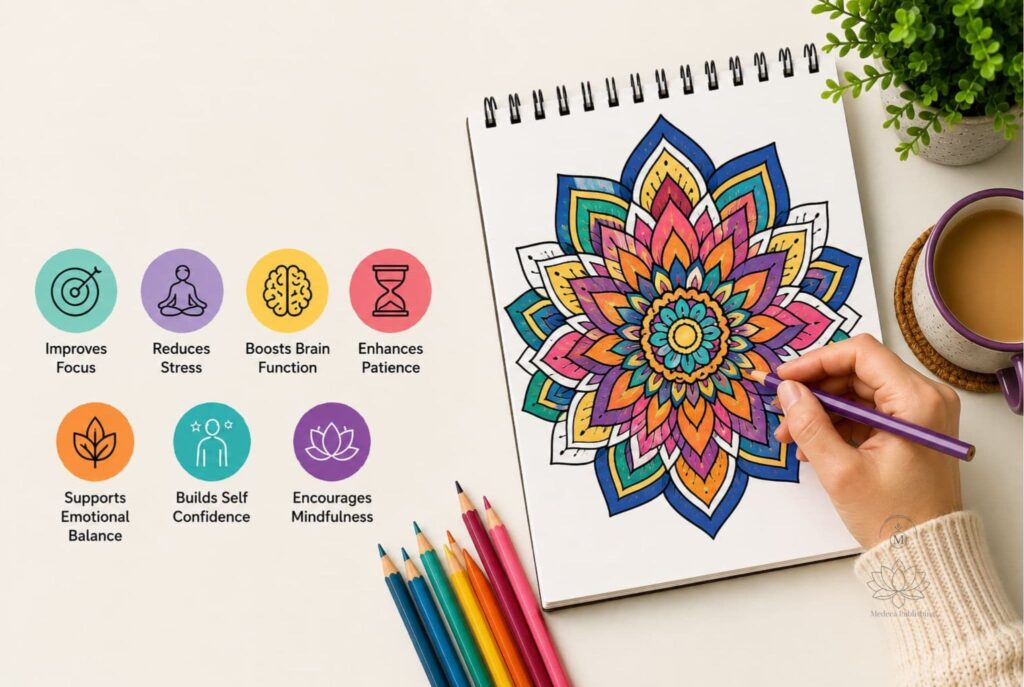
The Neurological Connection Between Art and Health
The human brain is incredibly plastic, meaning it can reorganize itself by forming new neural connections throughout life. For ADHD adults, this neuroplasticity is a superpower that can be harnessed through consistent practice. Engaging in fine motor skills art stimulates the production of dopamine—the very neurotransmitter that ADHD brains often lack. Unlike the “cheap” dopamine hits from social media scrolling, the dopamine produced during creative tasks is sustained and rewarding.
According to research highlighted by Psychology Today, creative activities can significantly reduce cortisol levels, the hormone associated with stress. When cortisol drops, your overall health improves, leading to better sleep, improved immune function, and a more stable mood. By focusing on the tip of a marker as it glides across a Medeea Publishing page, you are effectively “quieting” the amygdala, the brain’s fear center, allowing for a state of deep relaxation.
Improving Hand-Eye Coordination and Dexterity
As we age, maintaining dexterity becomes increasingly important for long-term health. For ADHD adults, who may have spent years rushing through physical tasks, slowing down to focus on fine motor skills art can retrain the nervous system. This intentional movement improves the communication between the eyes and the hands, which has carry-over benefits in daily life—from typing more accurately to handling delicate objects with more grace.
Cognitive Benefits of Intricate Coloring
Coloring isn’t just about filling in shapes; it’s about decision-making. Which color comes next? How do these two shades blend? For an ADHD brain, these small, low-stakes decisions are excellent “exercise” for the executive function centers. It builds the “decision-making muscle” without the anxiety that accompanies high-pressure life choices. This is why fine motor skills art is increasingly recommended by occupational therapists as a supplemental tool for adult ADHD management.
Strengthening Your Health Through Fine Motor Skills Art
When we talk about health, we often forget that the mind and body are an inseparable loop. If the mind is racing, the body is tense. If the body is tense, the mind cannot rest. Fine motor skills art serves as a circuit breaker for this cycle of tension. By grounding yourself in a tactile activity, you are practicing what many health professionals call “embodied mindfulness.”
The Mayo Clinic emphasizes that mindfulness practices, such as focused art, can help manage symptoms of chronic stress and anxiety. For an ADHD adult, “sitting still” to meditate is often an impossible ask. However, “meditation in motion”—which is exactly what coloring is—allows the body to move while the mind finds its center. This rhythmic movement is a powerful stabilizer for the nervous system.
Medeea Publishing: Your Partner in Anxiety Relief
At Medeea Publishing, we don’t just create books; we create sanctuaries. Our coloring books are curated with the ADHD experience in mind. We know that sometimes you need bold, clear lines to feel grounded, and other times you need intricate, swirling patterns to get lost in. Our designs provide the perfect canvas for fine motor skills art, allowing you to transition from a state of high-alert anxiety to one of calm productivity.
Using our books as a tool for health means more than just a finished picture. It means you have spent thirty minutes without a screen, thirty minutes without self-criticism, and thirty minutes building a stronger connection with your physical self. The tactile sensation of high-quality paper and the vibrant colors of your choosing work together to create a sensory experience that is both healing and empowering.
Overcoming “Creative Paralysis” in ADHD
One of the biggest hurdles for ADHD adults is the “blank page syndrome.” The pressure to create something “perfect” or “artistic” can lead to avoidance. This is why fine motor skills art through coloring is so effective. The structure is already there. You don’t have to worry about anatomy, perspective, or composition. You only have to worry about the next stroke of color. This removal of barriers is essential for maintaining a consistent health routine.
Practical Tips for Starting Your Coloring Journey:
- Start Small: Don’t feel pressured to finish a whole page in one sitting. Ten minutes of focused coloring is more beneficial than two hours of forced effort.
- Choose the Right Tools: Invest in a set of pencils or markers that feel good in your hand. The weight and texture of the tool contribute to the fine motor experience.
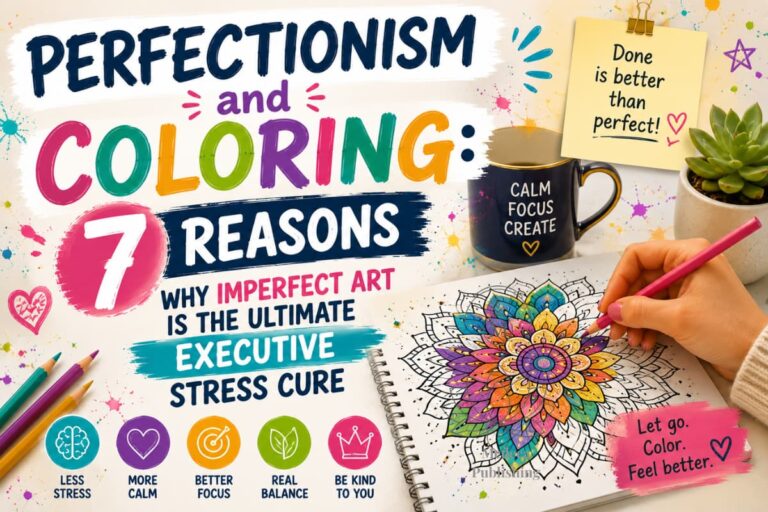
- Create a “No Judgment” Zone: Your coloring book is for you, not for a gallery. If you go outside the lines, let it be. The goal is health, not perfection.
- Use Color to Express Emotion: Feeling frustrated? Use bold, dark strokes. Feeling peaceful? Use soft pastels. Let the fine motor skills art be your emotional release.
The Science of “Flow” and ADHD
“Flow” is a state of deep absorption where time seems to disappear. For people with ADHD, achieving flow can be difficult because of the constant pull of external stimuli. However, fine motor skills art is a “flow-inducing” activity. The repetitive nature of coloring, combined with the visual reward of seeing a page come to life, helps the ADHD brain enter a “theta” brainwave state. This state is associated with deep relaxation and creativity, providing a necessary rest for a brain that is usually in “beta” (high-alert) mode.
By regularly entering this flow state, you are training your brain to sustain attention for longer periods. This isn’t just a mental trick; it is a physical restructuring of how your brain handles focus. This is why we advocate for fine motor skills art as a foundational habit for anyone looking to improve their cognitive health while living with ADHD.
The Sensory Benefits of Artistic Engagement
Many adults with ADHD also experience Sensory Processing Disorder (SPD) or general sensory sensitivities. The world can be too loud, too bright, or too fast. Fine motor skills art offers a controlled sensory environment. You control the pressure, the color, and the pace. This “sensory grounding” is vital for emotional regulation.
When you use Medeea Publishing books, you are engaging multiple senses in a soothing way. The smell of the pencils, the visual delight of the pigments, and the tactile feel of the paper all work together to create a “sensory anchor.” This anchor prevents the mind from drifting into anxious thoughts about the future or ruminations about the past. It keeps you firmly planted in the “now,” which is the healthiest place for an ADHD mind to be.
Building a Sustainable Health Routine with Coloring
Consistency is often the Achilles’ heel of the ADHD adult. We start things with great enthusiasm and then lose interest. To make fine motor skills art a permanent part of your health toolkit, try to “habit-stack.” Habit-stacking involves attaching a new habit to an existing one. For example, color for ten minutes while your morning coffee brews, or right after you close your laptop for the day.
By making coloring a non-negotiable part of your daily rhythm, you ensure that your fine motor skills remain sharp and your stress levels remain low. Remember, Medeea Publishing is here to support you with a constant stream of new, engaging designs that will keep your interest piqued and your brain stimulated. Our community is built on the belief that everyone deserves a creative outlet that supports their unique way of thinking.
The Long-Term Impact on Mental Health
In the long run, the benefits of fine motor skills art extend far beyond the page. You will likely find that you are more patient with yourself. You might notice that your “fidgeting” becomes less frantic and more purposeful. These are signs that your neurological health is improving. For the ADHD adult, the journey toward wellness is not about “fixing” the brain, but about learning to dance with its unique rhythm.
Coloring provides the music for that dance. It is a gentle, supportive, and beautiful way to manage the complexities of ADHD. Whether you are using it for anxiety relief, focus training, or simply to enjoy the vibrant world of color, know that every stroke you make is a step toward a healthier, more balanced you.
Conclusion: Embodying Health Through Creativity
Your journey with ADHD is unique, and your path to health should be too. By incorporating fine motor skills art into your life, you are choosing a path of self-compassion and proactive care. At Medeea Publishing, we are honored to be a part of that journey. Our coloring books are more than just paper; they are invitations to slow down, breathe, and rediscover the joy of creating.
So, take a deep breath. Pick up a pencil. Feel the texture of the paper. And remember: you aren’t just coloring a picture—you are building a stronger, calmer, and more focused version of yourself. Your health is worth the time it takes to create something beautiful.
Frequently Asked Questions
How does coloring specifically help with ADHD focus?
The efficacy of coloring lies in the unique sensory connection between your hand, your eyes, and your brain.
When you actively engage in fine motor skills art, you are forcing your brain to coordinate intricate physical movements with immediate visual feedback.
This process creates what psychologists call a “closed-loop” task. This loop occupies the prefrontal cortex just enough to keep you mentally engaged without overwhelming you.
Because the task is predictable, it provides the ADHD brain with enough consistent stimulation to prevent the boredom that typically triggers wandering thoughts.
Furthermore, fine motor skills art requires a high level of concentration on the present moment.
This requirement effectively trains your mind to maintain attention for longer periods, providing a sense of order that often feels elusive for those with ADHD.
Do I need to be “good” at art to see health benefits?
There is a persistent, outdated myth that you must possess natural artistic talent to reap the emotional rewards of creativity.
We are here to tell you that this could not be further from the truth.
The health benefits of fine motor skills art do not come from the finished product, but from the process of movement and the micro-decisions you make.
It is entirely about the tactile sensation of the pencil moving across the paper.
When you practice fine motor skills art, you are essentially engaging in a form of active, creative meditation.
Letting go of the pressure to produce a “perfect” page is the most therapeutic aspect of the entire experience.
This mindset helps dissolve the perfectionism and performance anxiety that are so often tied to adult ADHD, allowing you to focus on the healing act of creating rather than the outcome.
How long should I color each day to improve my focus?
Consistency is far more important than the duration of your sessions.
You do not need to spend hours at your desk to see real, lasting results for your cognitive health.
Even 10 to 15 minutes of daily practice can provide massive benefits for your dexterity and mental clarity.
For adults navigating ADHD, shorter and more frequent sessions are usually much more sustainable than long, sporadic ones.
Choosing the right paper and tools for your fine motor skills art also makes the experience much smoother and more enjoyable for your hands.
This consistency encourages you to return to your books daily, creating a healthy, calming habit that supports your emotional well-being.
By making this a small, non-negotiable part of your daily schedule, you teach your nervous system to regulate itself more quickly.
We recommend embracing fine motor skills art as a daily ritual to reclaim your sense of calm and sharpen your focus starting today.
Incorporating This Into Your Routine
To see the best results, try to treat this as a dedicated “brain-training” break.
Clear your desk, put away digital devices, and focus entirely on the page in front of you.
Notice how your breathing naturally changes and your racing mind begins to slow down as you fill the page.
Over time, this will become an essential anchor for your mental health.